You're Already Writing Your Child's Digital Story — Are You Sure You Want To?

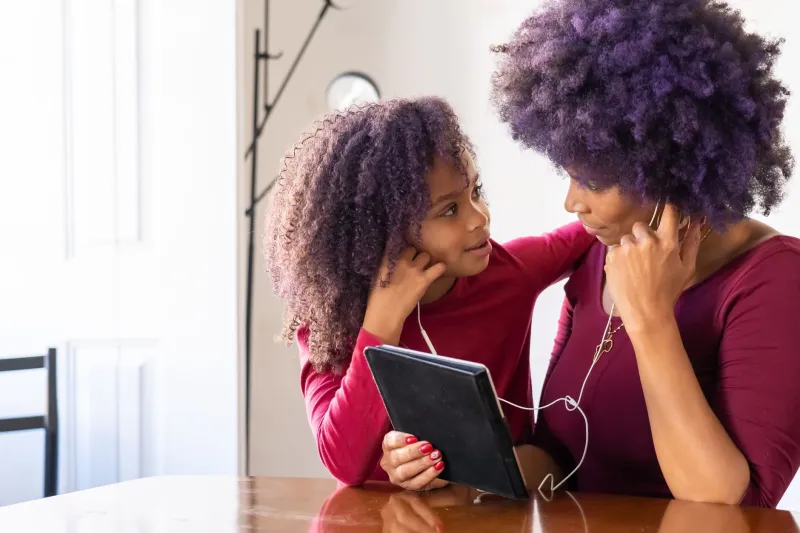
Photo: Intel Free Press, CC BY-SA 2.0, via Wikimedia Commons
The birth announcement goes up before the birth certificate is signed. The first steps get posted before the grandparents even get a phone call. The Halloween costume, the first day of kindergarten, the gap-toothed smile, the meltdown that was "too cute not to share" — it all goes online, almost automatically, almost without thinking.
This is sharenting. And while it comes from a place of genuine love and pride, it's worth having an honest conversation about what we're actually creating when we document our children's lives so publicly — and so permanently.
I'm not here to shame anyone. I've done it too. But as someone who thinks about digital wellness for a living, I believe parents deserve a fuller picture of what's at stake.
The Digital Footprint That Starts Before "Hello"
For many children today, their digital footprint begins before they're even born. Ultrasound images shared on Facebook. Pregnancy announcements that include due dates, locations, and full names. Baby shower registries that reveal home addresses. Gender reveals that get hundreds of shares.
By the time a child can hold a crayon, they may already exist in dozens of databases, marketing profiles, and photo archives — none of which they had any say in.
A 2010 study by internet security firm AVG found that 92% of American children had an online presence by age two. That data is over a decade old. The number today is almost certainly higher.
Here's the uncomfortable question: if a 25-year-old looked back and found thousands of photos of themselves online — photos of their tantrums, their awkward phases, their most vulnerable moments — posted without their knowledge or consent, how would they feel? Some kids, now young adults, have already started answering that question publicly. And many of them are not happy.
What "Digital Kidnapping" Actually Means
The term "digital kidnapping" sounds alarming, and honestly, it should. It refers to the practice of strangers taking photos of children from public social media accounts and reposting them elsewhere — sometimes in entirely different contexts.
In some cases, it's relatively benign: someone reposts a cute photo in a parenting group, attributing the child a new name and fictional backstory (this is sometimes called "role-playing"). In other cases, it's far more sinister — images of children being scraped and used in ways that no parent would ever consent to.
Here's the thing: if your child's photos are public, you have very limited control over where they end up. A photo posted to a public Instagram account can be downloaded, cropped, edited, and reposted within seconds. Watermarks don't stop this. "Please don't repost" captions don't stop it either.
This isn't meant to terrify you into never posting anything. It's meant to make the case for intentionality.
The Data Exploitation Angle Most Parents Don't Consider
Beyond the emotional and social implications, there's a practical data security concern that often gets overlooked.
Every photo you post of your child online carries metadata — information embedded in the image file that can include the date, time, device used, and in many cases, the precise GPS coordinates of where the photo was taken. Most social platforms strip this metadata when you upload, but not all do, and not always consistently.
Beyond metadata, think about what the content of your posts reveals:
- Your child's full name — often used in birthday posts, school announcements, and sports updates
- Your home address — visible in photos of your front yard, mailbox, or neighborhood landmarks
- Your child's school — tagged locations, school uniforms, and team jerseys
- Daily routines — drop-off times, after-school activities, and vacation schedules
This information, aggregated across dozens of posts over years, creates a detailed profile of your child's life that could be exploited for identity theft (children's credit profiles are targeted specifically because they go unchecked for years), targeted advertising, or worse.
The Social Security Administration has flagged child identity theft as a growing problem. A child's SSN combined with a clean credit history is a valuable commodity on the dark web.
The Autonomy Conversation
At its core, sharenting raises a question about consent and ownership. Your child cannot consent to having their image shared publicly. They can't evaluate the long-term consequences. They can't opt out.
As they grow older, the dynamic shifts. A toddler can't express a preference. A ten-year-old can. A teenager absolutely can — and often will, loudly.
Building a habit of checking in with your kids about what gets shared is a meaningful act of respect. It also models healthy digital behavior. When kids see that their parents take online privacy seriously — including their own — they internalize that lesson.
A Framework for Families: The SHARE Check
Before you post about your kids, run through this quick mental checklist:
S — Sensitive? Does this photo or post reveal information that could be used to identify or locate my child (school, address, routine)?
H — How will they feel? If my child sees this post in ten years, will they be comfortable with it? Would I want this photo of myself at this age on the internet?
A — Audience? Who can actually see this? Is my account public or private? Have I audited my follower/friend list recently?
R — Reversible? Once this is online, can I truly take it back? Even deleted posts can be screenshot or cached.
E — Explicit consent? For kids old enough to understand, did I ask them if they're okay with this being shared?
This isn't about never posting. It's about posting with intention.
Practical Steps You Can Take Today
Lock down your accounts. Set your social media profiles to private. Regularly audit who follows you — especially on platforms like Instagram and Facebook where follower lists can grow beyond your actual social circle.
Create a private family sharing space. Apps like Google Photos' shared albums, Apple's iCloud Shared Albums, or dedicated family apps like FamilyAlbum let you share photos with grandparents and close friends without broadcasting to the world.
Establish family media guidelines. Sit down as a family and agree on what gets shared publicly, what stays in private family channels, and what never gets posted at all. Revisit this conversation as your kids get older.
Talk to the other adults in your child's life. Grandparents, aunts, uncles, coaches, and teachers may be posting photos of your kids without realizing the implications. A friendly conversation goes a long way.
Search your child's name periodically. Do a Google image search of your child's name to see what's already out there. It might surprise you.
A Note on Letting Go of the Guilt
If you've been a heavy sharer, please don't spiral. You were doing what millions of parents do, what social platforms are literally designed to encourage. The goal here isn't guilt — it's awareness and a path forward.
Your child's digital story is still being written. And the beautiful thing about stories is that it's never too late to start making more thoughtful choices about what goes in them.
At CyberLife Plan, we believe protecting your family online starts with the choices you make every single day — including the small, routine ones. A moment of pause before you post might be one of the most meaningful privacy decisions you ever make for your kids.